

Profile
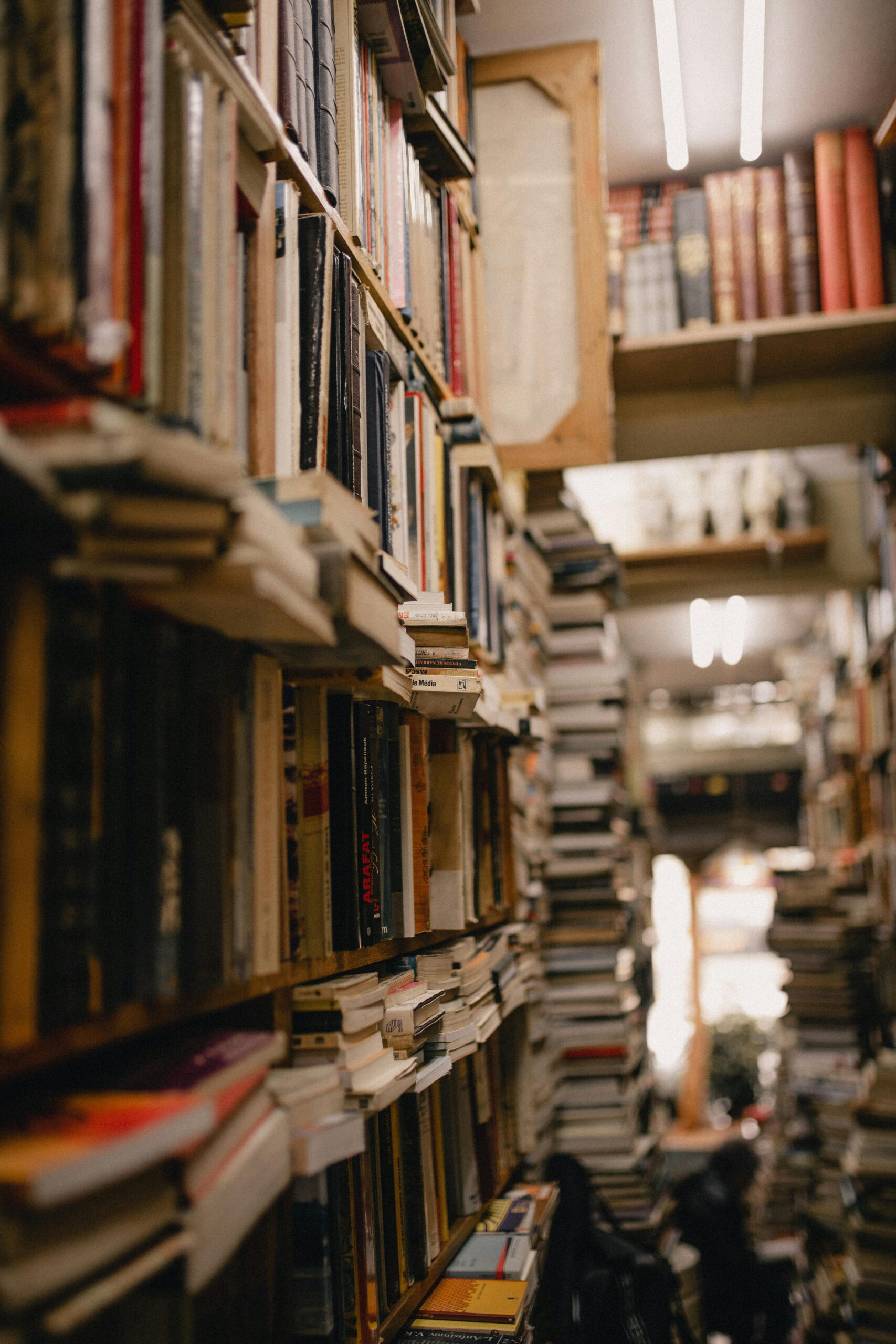
Alexandria Main Library Alexandria LA US
The Alexandria Main Library, located at 411 Washington St, Alexandria, LA, serves as a vital community hub offering a wide range of resources and services. As a free public library, it provides access to books, e-books, audiobooks, DVDs, and other media, alongside complimentary Wi-Fi and computer stations for public use. The library caters to all ages, with dedicated spaces for children’s programming, teen activities, and adult learning opportunities, including workshops, lectures, and cultural events.
Notable features include a welcoming, accessible environment designed for diverse community needs, along with quiet study areas and meeting rooms available for public use. The library emphasizes lifelong learning and community engagement, hosting events such as author talks, literacy programs, and local history exhibitions. Its commitment to fostering education, creativity, and connection makes it a cornerstone of Alexandria’s cultural and intellectual landscape.
Location Reviews
No reviews for the Alexandria Main Library (modern) are provided in the text. The content instead discusses the ancient Library of Alexandria in Egypt, a historical institution established during the Hellenistic period. The library was part of the Mouseion, a research center dedicated to scholarship, and was founded under Ptolemaic rulers to centralize knowledge through royal patronage and aggressive collection efforts. Estimates suggest it housed between 40,000 and 400,000 scrolls at its height, though modern historians question the exact figures. The library’s decline was tied to political instability, with damage occurring during Julius Caesar’s siege (48–47 BCE) and later destruction of the Serapeum in 391 CE during religious conflicts. While some scholars argue the main collection survived Caesar’s attack, its eventual loss is widely acknowledged as a significant cultural and intellectual setback.
The text emphasizes that the library’s legacy lies in its ambitious attempt to compile global knowledge, despite its eventual destruction. Key works in mathematics, astronomy, and philosophy were preserved and transmitted through other traditions, though many texts were lost due to the lack of redundancy in ancient copying practices. The loss of unique works, such as plays by Greek tragedians and treatises on mechanics, is highlighted as a measurable impact. However, the claim that the library’s destruction delayed technological progress (e.g., smartphones or Mars colonies) is dismissed as unfounded, as surviving knowledge was disseminated through other channels. Overall, the narrative presents a balanced view of the library’s historical significance, its vulnerabilities, and the enduring influence of its surviving works.