

Profile
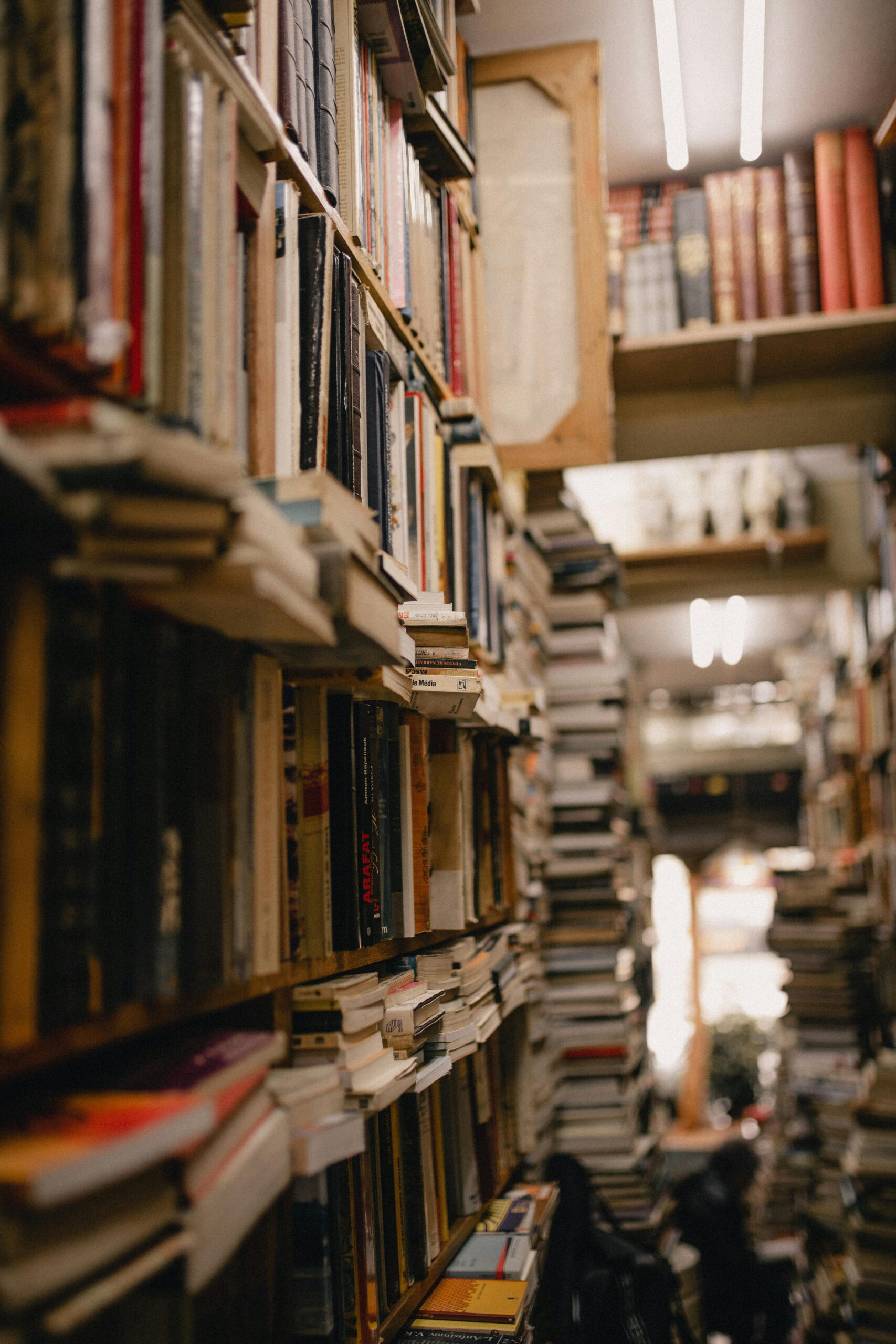
Carnegie Library Las Vegas NM US
The Carnegie Library at 500–598 National Ave, Las Vegas, NM, is a historic public library built through the philanthropy of Andrew Carnegie, the renowned Scottish-American steel magnate and philanthropist. Part of a nationwide network of over 2,500 libraries funded by Carnegie between 1881 and 1920, this institution reflects his commitment to education and community enrichment. The library serves as a vital community resource, offering access to books, digital media, and programs that support lifelong learning, research, and cultural engagement.
Notable for its architectural heritage and historical significance, the Las Vegas Carnegie Library stands as a testament to Carnegie’s vision of making knowledge accessible to all. While specific features of the building may vary, such libraries typically include reading rooms, study spaces, and community event areas. The site is also linked to the broader Carnegie Libraries Mapping Project, which documents the legacy of these institutions across the United States. Today, the library continues to fulfill its original mission, providing essential services to residents of Las Vegas and surrounding areas.
Location Reviews
The Carnegie Library at Mt. Vernon Square, a restored Beaux-Arts landmark in Washington, DC, has evolved into a mixed-use space featuring a flagship Apple Store, an updated DC History Center, and a library/archive upstairs. Reviews consistently praise the building’s architectural grandeur and its role as a hub blending historical preservation with modern amenities. The DC History Center is highlighted for its rotating exhibits and public access, though some note limited availability or closures of certain sections. The Apple Store is frequently mentioned as a prominent draw, though this has led to confusion or disappointment among visitors expecting a traditional library function.
While the space is lauded for its beauty and community-focused offerings, several reviews express disappointment that the library’s original role as a public library has diminished. Some visitors note that the upstairs library/archive exists but is not as accessible or prominent as the Apple Store, and the DC History Center’s private collection requires appointments. Despite these drawbacks, the overall sentiment remains positive, with many recommending the site for its historical significance, aesthetic appeal, and diverse programming, such as educational workshops and children’s activities. The transformation is seen as a successful integration of past and present, though its current function diverges from its original purpose as a library.